


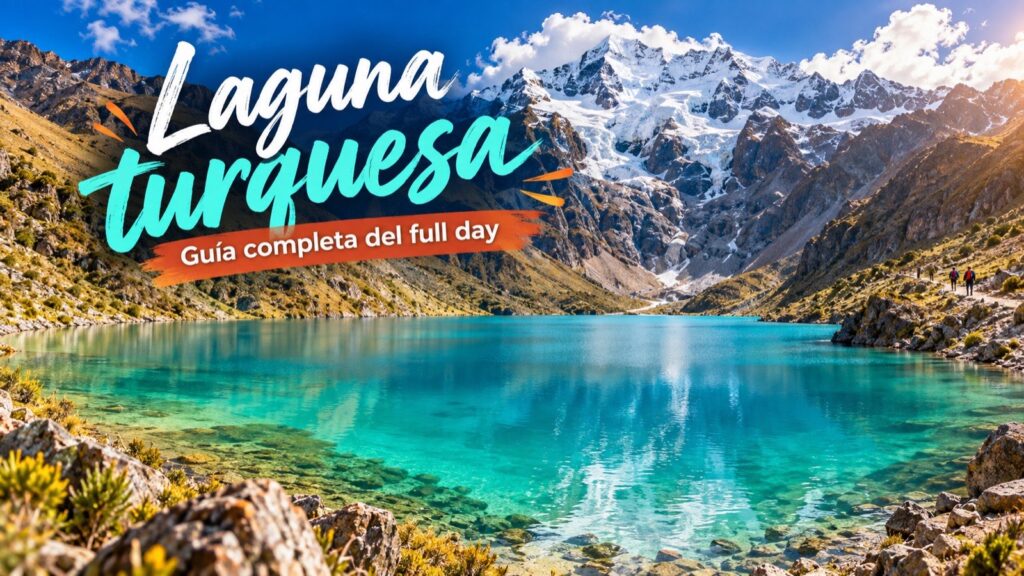
Quick answer: Humantay Lake is a full-day trip from Cusco (about 4 hours travel each way) that climbs to roughly 4,200 m (13,780 ft) via a steep 1 to 1.5-hour trail from Soraypampa. You leave at 4-5am, have breakfast in Mollepata, and reach a turquoise glacial lake ringed by snowcapped peaks. Optional horses are available for the climb, mid-morning has the best light, and prior acclimatization in Cusco is mandatory before attempting it.
What Humantay Lake is and why it’s so popular
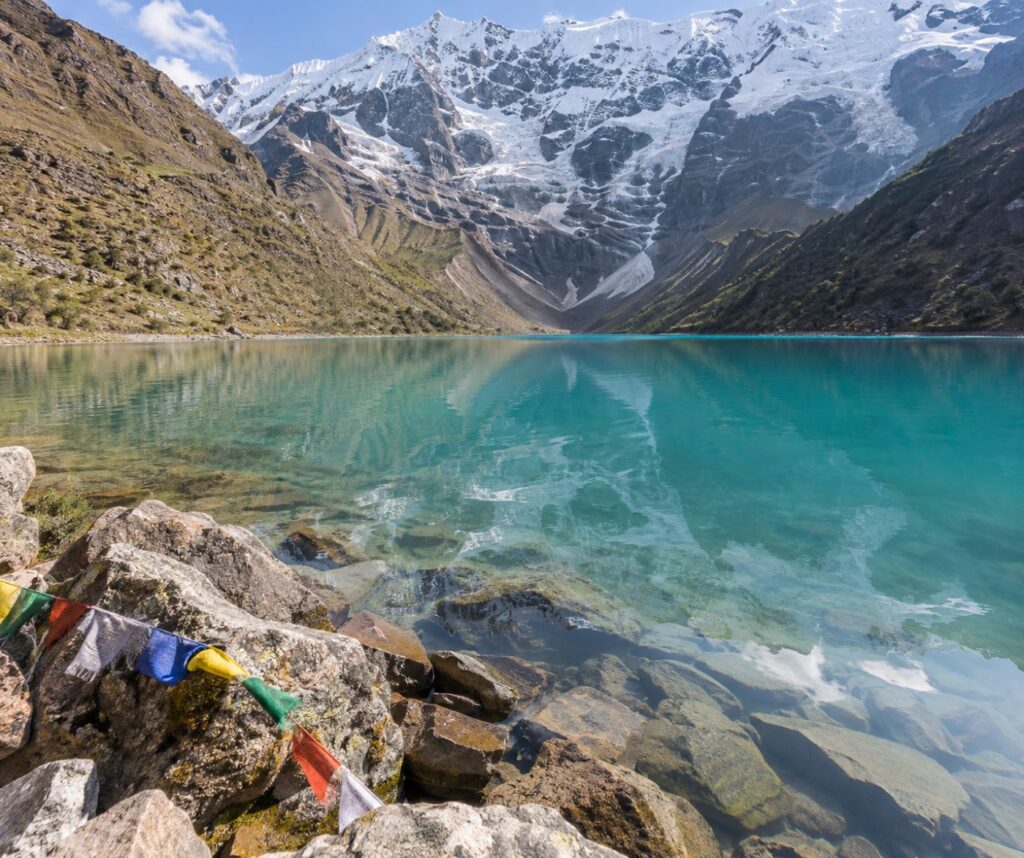
Humantay Lake is a glacial lake with an intense turquoise color, fed by meltwater from the Salkantay glacier (~6,271 m / 20,574 ft), the most important sacred mountain after Ausangate. It sits at about 4,200 m in the Mollepata district and has become one of the most photographed day trips near Cusco: the contrast between the turquoise water, the glacier ice, and the gray rock walls is striking even in a phone photo. Unlike Machu Picchu, there’s no advance ticket or limited daily quota, which makes it a flexible option once the rest of your itinerary is locked in.
It’s also the first leg of the 5-day Salkantay trek to Machu Picchu, so if you enjoy this hike and have more time, the full multi-day route is worth considering instead of the day trip.
The full day, step by step
- 4:00-5:00am — Hotel pickup in Cusco: departure is very early because the drive to the trailhead takes close to 3 hours. Bring something to nap on the way — the first stretch is paved road, then a dirt track.
- Breakfast in Mollepata: a stop for a simple Andean breakfast (bread, eggs, coca-leaf coffee) in this town, which is also the gateway to the classic Salkantay trek.
- Soraypampa (~3,900 m): the van reaches this mountain-ringed base camp, where the hike on foot begins.
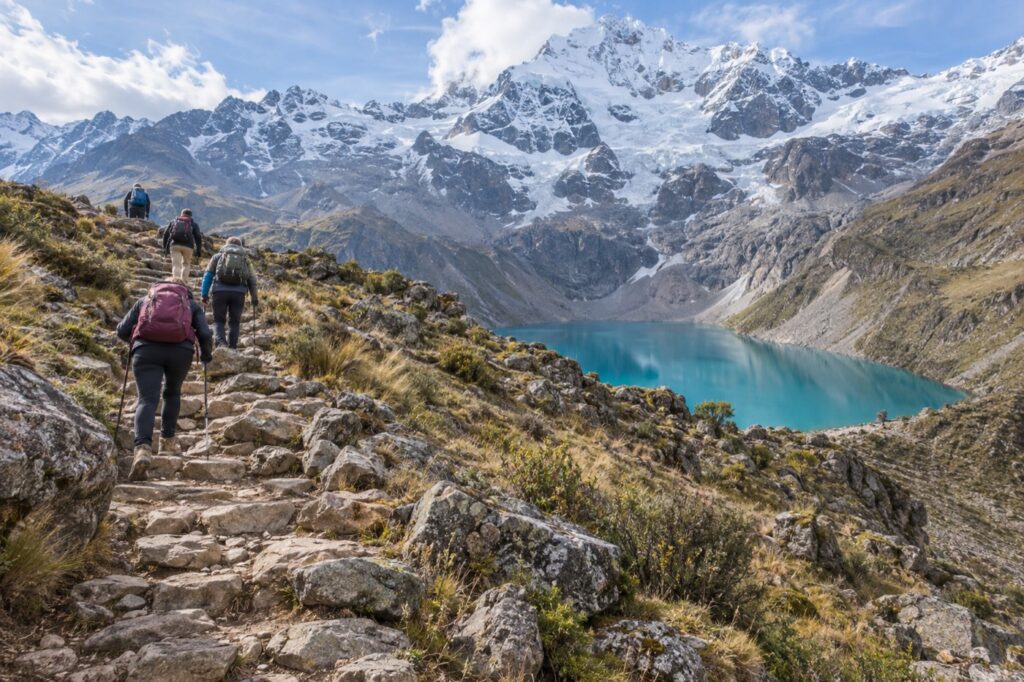
- The climb (1 to 1.5 hours): a steep dirt-and-rock trail with tight switchbacks that gains around 300 meters of elevation. Short in distance but demanding at altitude — the air carries noticeably less oxygen than at sea level.
- Time at the lake (45 minutes to 1 hour): photos, quiet contemplation, and, if the weather cooperates, the glacier’s reflection on the water.
- Descent and return to Cusco: the way down takes 45 minutes to 1 hour, followed by lunch in Mollepata or Soraypampa and the drive back to your hotel, usually arriving between 5 and 6pm.
Walk or ride a horse?
Most operators offer optional horses (paid separately, not included in the tour) that climb to a point near the lake, leaving only the final 15-20 minutes on foot along a stretch too steep for a horse to safely manage. It’s a good option if you have any physical limitation, are traveling with young kids, or simply want to save energy for the rest of the trip. If you’re in reasonably good shape and have already spent a couple of days acclimatizing in Cusco, walking the whole way is entirely doable for most people — it’s steep, but short.
Best light and when to arrive
Most tours reach the lake between 9 and 11am, which also tends to be when the light is best: the sun is already high but the early-morning haze has cleared, and the turquoise color looks its most intense. Arriving later (after noon) raises the odds of clouds covering the glacier, especially during the rainy season.
Dry season vs. rainy season
- Dry season (May to September): clearer skies, better visibility of the glacier, and less mud on the trail. The most recommended time, though also the busiest, with sub-freezing mornings in Soraypampa.
- Rainy season (November to March, peaking January-February): the trail gets slippery and there’s a higher chance of fog covering the peak right when you arrive. Not impossible, but leave as early as possible and pack waterproof gear.
- Shoulder months (April, October): a good balance of stable weather and fewer crowds.
Acclimatization: the step you can’t skip
At 4,200 m, altitude sickness (soroche) is the real risk here, not the physical effort. You must arrive in Cusco (3,400 m) with at least 2 full days of acclimatization before attempting Humantay — ideally 3. Skip alcohol the night before, stay well hydrated, and if your operator offers altitude pills or coca leaves/tea, take them. Mild headache or shortness of breath is normal; strong dizziness, persistent nausea, or confusion are not — that’s when you descend and seek medical help.
What to pack
- Layered clothing: it’s cold at dawn and in Soraypampa, but can warm up on the climb.
- Waterproof jacket and windbreaker (mountain weather changes fast).
- Trekking shoes or boots with good grip — the trail has loose rock.
- Sunscreen, sunglasses and a hat — UV radiation is much stronger at this altitude.
- Water (at least 1.5 liters) and energy snacks.
- Trekking poles if you normally use them — they help a lot on the way down.
- Cash in soles for the restroom at Soraypampa and, if you use it, the horse.
Respect the offerings and the apachetas
You’ll see small stacked stone mounds (apachetas) and offerings near the trail and the lake: these are living Andean traditions of gratitude to the Pachamama and to Apu Salkantay, not tourist decoration. Don’t stack new stones or move existing ones, and don’t take stones, flowers, or anything else as a souvenir. It’s a sacred site for local communities, and keeping it intact also protects the fragile high-mountain ecosystem.
Day trip or part of the Salkantay trek?
| Humantay day trip | Salkantay trek (5 days) | |
|---|---|---|
| Duration | 1 day | 4-5 days |
| Max altitude | ~4,200 m (lake) | ~4,650 m (Salkantay Pass) |
| Ends in | Cusco (same day) | Machu Picchu |
| Physical demand | Moderate | High |
If your time is limited, or you just want this postcard shot without committing several days of your itinerary, the day trip is the way to go. If you have time to spare and want a multi-day adventure that ends at Machu Picchu, check out our Salkantay Trek to Machu Picchu, which includes Humantay as its first stop. Or if you’d rather book the day trip as is, see our Humantay Lake day trip or message us on WhatsApp and we’ll build the itinerary around your dates.
 Project Zion™ Theme.
