


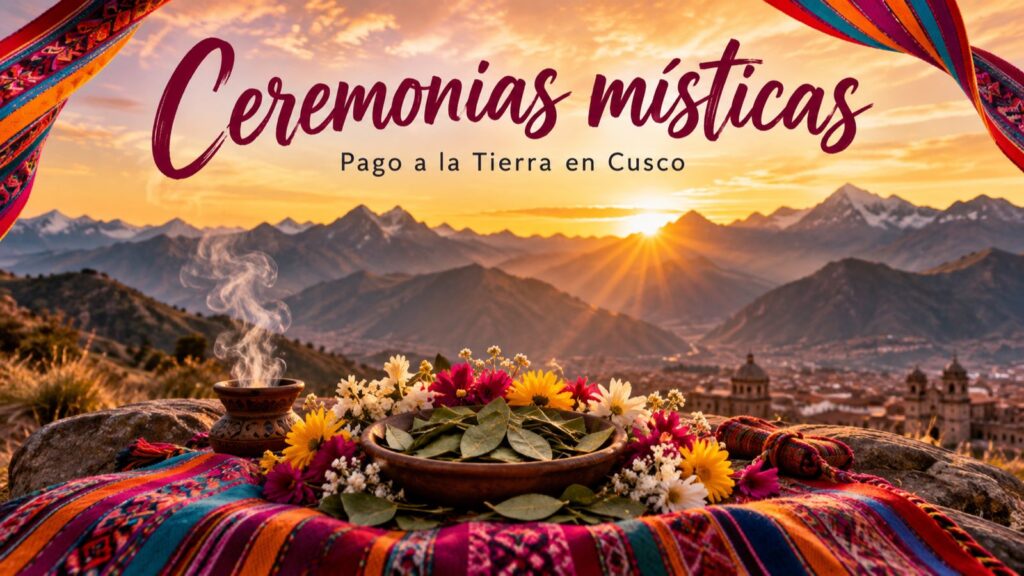
Quick answer: the best-known Andean mystic ceremonies in Cusco are the pago a la tierra (an offering of gratitude to the Earth, traditionally held in August) and ceremonies with San Pedro or huachuma, an ancestral medicinal plant. Both should only be done with certified masters and genuine cultural respect — never as an improvised “recreational experience.”
What is the pago a la Pachamama
The pago a la tierra (Andean despacho) is one of the oldest ceremonies in the Andes: an offering of gratitude and reciprocity to the Pachamama, Mother Earth, for the year’s harvests, health and protection. It is led by a paqo (Andean priest) who builds the despacho on a ceremonial cloth, layer by layer, following a symbolic order passed down through generations.
- Coca leaves (k’intu): the base of nearly every Andean ritual; three perfect leaves are chosen, and an intention is blown onto them before they’re placed.
- Flowers, seeds and sweets: represent the abundance and sweetness asked for in the year ahead.
- Incense, red wine and chicha de jora: used to “feed” the Pachamama and the Apus (mountain spirits).
- Symbolic figures (illas): small representations of what the person wants to give thanks for or ask for — health, work, family.
Traditionally, August 1st marks the start of the month dedicated to the Pachamama in the Andean calendar, with community offerings held in towns across the Sacred Valley and the highlands. Payments are also made at other times — before planting, a trip, or an important project — but August remains the month of greatest ceremonial activity.
San Pedro (huachuma): context, not promotion
San Pedro or huachuma is an Andean cactus used for over 3,000 years in traditional healing in Peru’s highlands. In its original context it is not a “recreational substance”: it is part of a healing system that combines plants, fasting, chants (icaros) and the guidance of a certified traditional healer (maestro curandero), trained within a lineage recognized by their community.
This blog does not promote recreational use of medicinal plants, nor does it present huachuma as a light tourist experience. If you decide to take part in a ceremony, do so carefully:
- Vet the maestro: ask about their training, lineage and experience; a serious healer explains the process without rushing and answers direct questions.
- Disclose your health: heart or psychiatric conditions and certain medications (antidepressants, for example) are real contraindications a responsible maestro must ask about before accepting you.
- Be wary of mass offerings: ceremonies marketed as a “party” or aimed at large groups with no prior screening are a red flag, not a sign of authenticity.
- Respect the cultural framework: this is a spiritual practice of Andean communities, not an entertainment product — treat it with the seriousness it deserves.
Responsible vs. irresponsible mystic tourism
| Responsible | Irresponsible | |
|---|---|---|
| Guide / maestro | Certified, with a verifiable lineage | Anonymous, no verifiable references |
| Prior screening | Asks about health and history before accepting | Accepts anyone with no screening |
| Focus | Ceremony with cultural and spiritual purpose | Marketed as a “party” or “psychedelic experience” |
| Setting | Small group, safe and prepared space | Mass groups, no emergency protocol |
| After the ceremony | Follow-up and integration support | You’re left alone right after it ends |
What to expect from a responsible mystic tour in Cusco
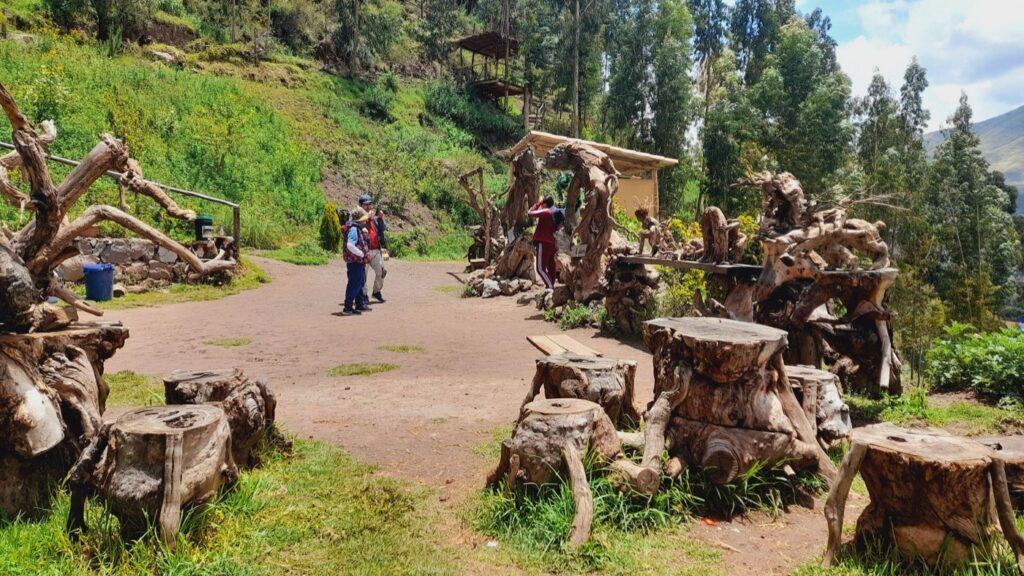
Not all mystic tourism involves medicinal plants. Much of the responsible offering in Cusco centers on visiting energy sites recognized by Andean tradition, with a guide who explains their cultural meaning without any invasive rituals. Near Cusco, in the Huasao area — known as “the capital of the healers” — several of these sites are concentrated together:
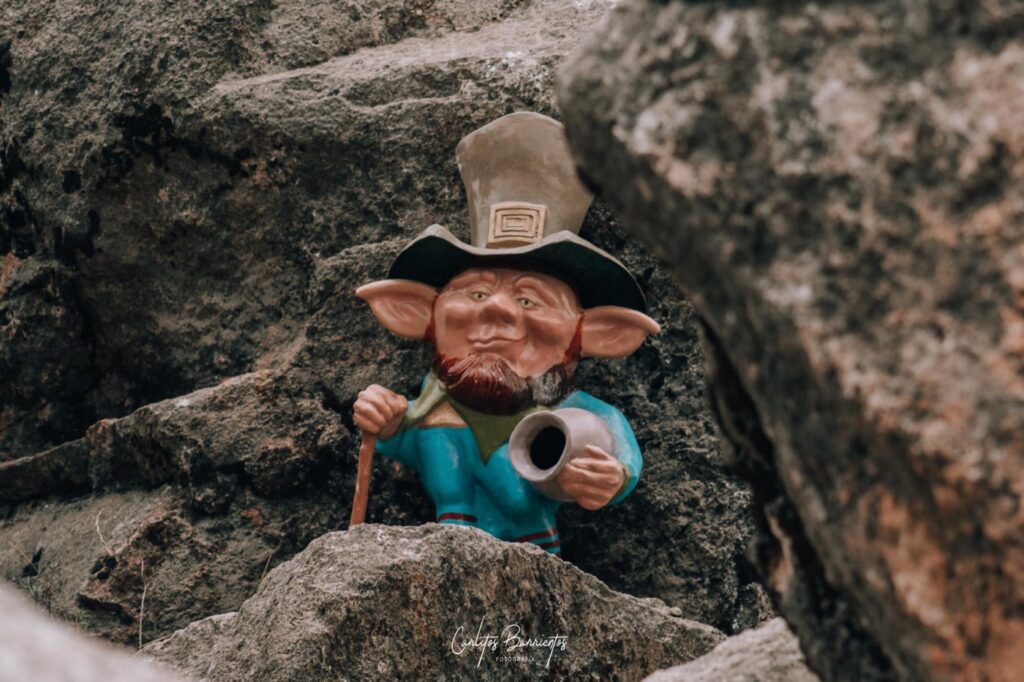
- Valle de los Duendes (Goblins’ Valley): narrow, elongated rock formations local belief holds are home to nature spirits.
- Bosque de los Enamorados (or of the Ents): a cluster of eroded rocks with curious silhouettes, associated with healing energies.
- La Morada de los Dioses (Home of the Gods): a natural lookout between rock and vegetation, traditionally used for gratitude rituals.
- Humedales de Huasao: a high-Andean wetland ecosystem where native birds and minor offering sites coexist.
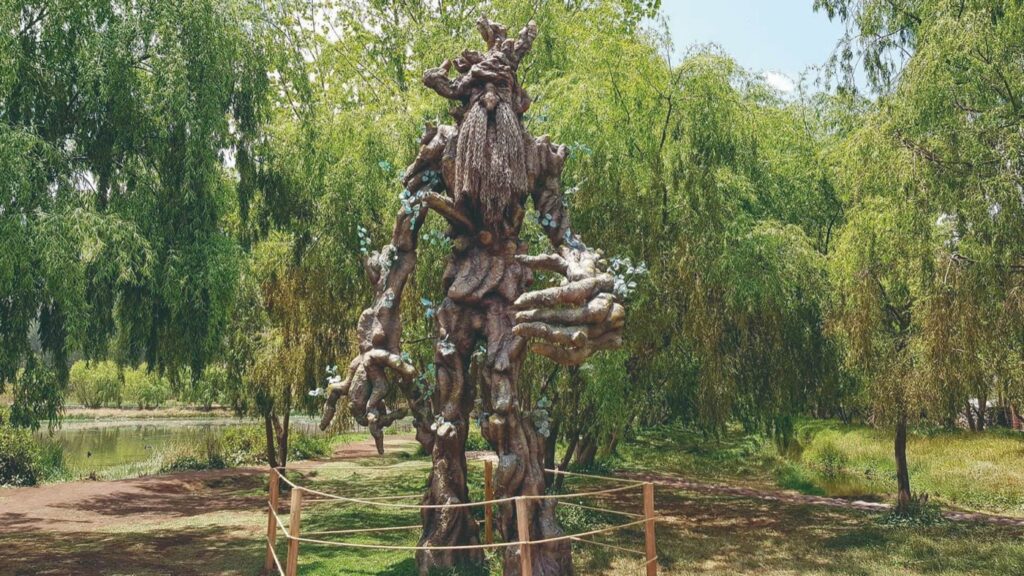
A tour like this combines light walking, photography and cultural context with a local guide, without exposing you to anything you’re not prepared for. If you’d also like to experience a pago a la tierra guided by a paqo, ask in advance: some tours include a brief symbolic offering at the end of the route, always presented respectfully and without pressure.
Our Mystical Cusco Tour 4 in 1 covers all four sites in a single day, with a guide specialized in the Andean worldview and hotel pickup in Cusco. If you have questions about what’s included or how it fits your itinerary, message us on WhatsApp and we’ll walk you through it before you book.
Before booking any ceremony
Keep your expectations realistic: no ceremony “solves” a life problem in one afternoon, and any operator who promises that is selling you a fantasy, not a tradition. What’s honest is a space for reflection, a genuine cultural context and, where relevant, the guidance of someone with real training. With that in mind, a mystic experience in Cusco can be deeply memorable — and it should always feel safe, never forced.
 Project Zion™ Theme.
