



Quick answer: one week is the ideal amount of time for Cusco. The order that works best is: day 1 arrival and acclimatization, day 2 Sacred Valley, day 3 Machu Picchu, day 4 Cusco city tour and Sacsayhuaman, day 5 Rainbow Mountain or Humantay Lake, day 6 Maras and Moray or a free day, day 7 departure.
This itinerary is not ordered at random — it follows a logic of progressive altitude. Cusco sits at 3,400 m (11,150 ft), but the Sacred Valley drops to 2,800 m and Machu Picchu to 2,430 m, so the first days build your acclimatization at gentler elevations and save the hikes above 4,000 m for when your body has adapted. Let’s go day by day.
Itinerary at a glance
| Day | Plan | Max altitude |
|---|---|---|
| 1 | Arrive in Cusco, gentle acclimatization | 3,400 m |
| 2 | Sacred Valley: Pisac, Urubamba, Ollantaytambo | 2,900 m |
| 3 | Machu Picchu by train | 2,430 m |
| 4 | Cusco city tour + Sacsayhuaman | 3,700 m |
| 5 | Rainbow Mountain or Humantay Lake | ~5,000 m |
| 6 | Maras & Moray, or free day | 3,500 m |
| 7 | Departure | — |
Day 1: arrive in Cusco and take it easy
Day one has a single mission: don’t push yourself. You land straight at 3,400 m and your body needs 24 to 48 hours to adjust. Drop your bags at the hotel, stroll slowly around the Plaza de Armas and the San Blas neighborhood, sip coca tea and keep lunch light. Skip alcohol, heavy meals and any unnecessary stairs. If you arrive in the morning and feel fine, a relaxed visit to the San Pedro market is adventure enough.
Day 2: the Sacred Valley of the Incas
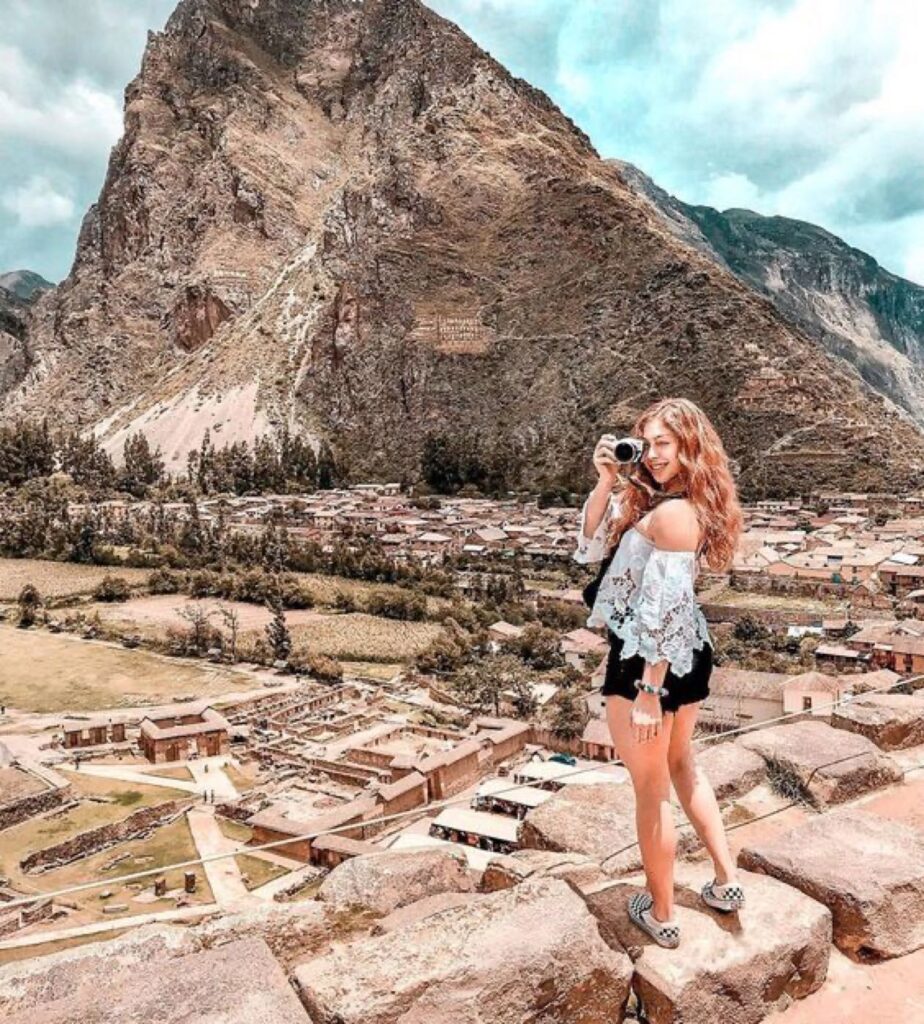
The Sacred Valley lies about 500 meters lower than Cusco, which makes it the perfect second-day excursion: you keep acclimatizing while seeing some of the region’s best sites. The traditional Sacred Valley tour covers the market and ruins of Pisac, lunch in Urubamba, and ends at the fortress of Ollantaytambo.
Here comes an important logistical decision: sleep in Ollantaytambo or return to Cusco. Staying in the village saves you a painfully early start the next morning, because the train to Machu Picchu departs from its station. Returning to Cusco keeps your hotel logistics simple (no moving luggage), but means a much earlier wake-up on day 3. Both work; if you travel with kids or prefer calm mornings, sleep in Ollantaytambo.
Day 3: Machu Picchu, the big day
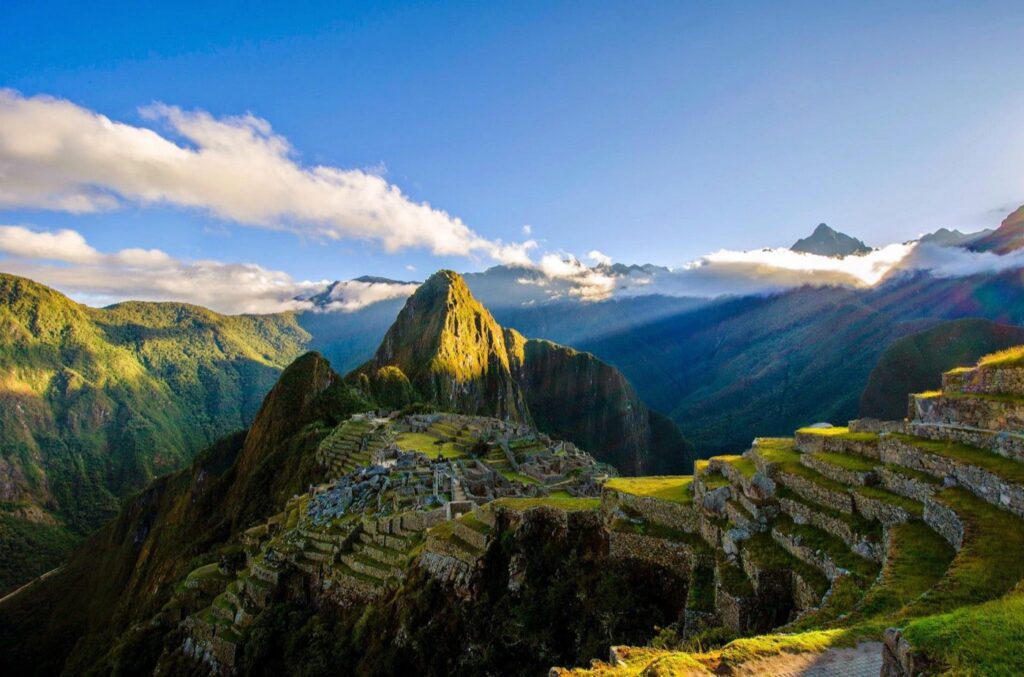
Day 3 is the heart of the trip. Train from Ollantaytambo to Aguas Calientes (about 1 h 45 min), shuttle bus up, and a guided visit through the citadel — which at 2,430 m is the lowest point of your whole week, so altitude is no issue here. Book your entrance ticket weeks ahead, as daily spots are limited. Our Machu Picchu by train tour takes care of tickets, train, bus and guide in one package, returning to Cusco at night.
Day 4: Cusco city tour and Sacsayhuaman
Back in the city, rest in the morning and spend the afternoon on the classic circuit: Qorikancha (the Temple of the Sun), the Cathedral, and the four archaeological sites on the outskirts — Sacsayhuaman, Q’enqo, Puka Pukara and Tambomachay. The megalithic walls of Sacsayhuaman, at 3,700 m, offer the best panoramic view of Cusco. By this point you are well acclimatized and the uphill walks feel far easier than they would have on day one.
Day 5: Rainbow Mountain or Humantay Lake
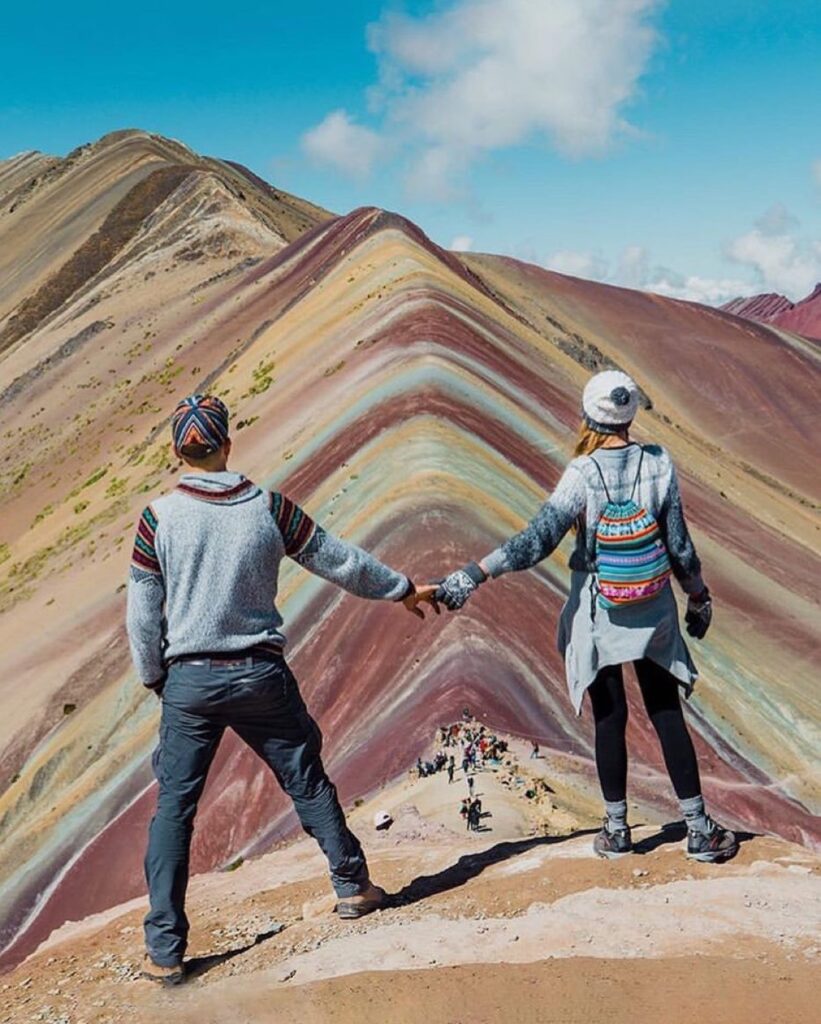
Only now, with four days of acclimatization behind you, comes the high-altitude excursion. Pick one:
- Rainbow Mountain (Vinicunca): a hike of about 2 hours to the viewpoint at ~5,000 m, facing the famous mineral stripes. Pre-dawn departure from Cusco.
- Humantay Lake: a shorter but steeper hike to a turquoise lake at the foot of the Salkantay snow peak, at ~4,200 m.
Both are full-day trips with breakfast and lunch included. If weather or energy levels aren’t cooperating, swapping in the South Valley (Tipon and Pikillacta) is an excellent, less demanding plan B.
Day 6: Maras and Moray, or a free day
For the second-to-last day, a relaxed half-day: the circular terraces of Moray and the Maras salt mines, thousands of salt ponds cascading down the hillside. It is a half-day tour that pairs perfectly with an afternoon of shopping and cafés in Cusco. Rather do nothing at all? A free day in San Blas, with its viewpoints and artisan workshops, is also a great way to wind down the trip.
Day 7: departure (and how to adjust this itinerary)
One last breakfast over the rooftops and a transfer to the airport. With fewer days, cut day 6 first and then day 5; with more, add a trek such as the Short Inca Trail or Choquequirao. Prefer everything pre-arranged? Our Cusco package, 7 days and 6 nights follows exactly this logic with hotels, transfers and tickets included. Message us on WhatsApp and we will tailor the itinerary to your dates.
 Project Zion™ Theme.
