


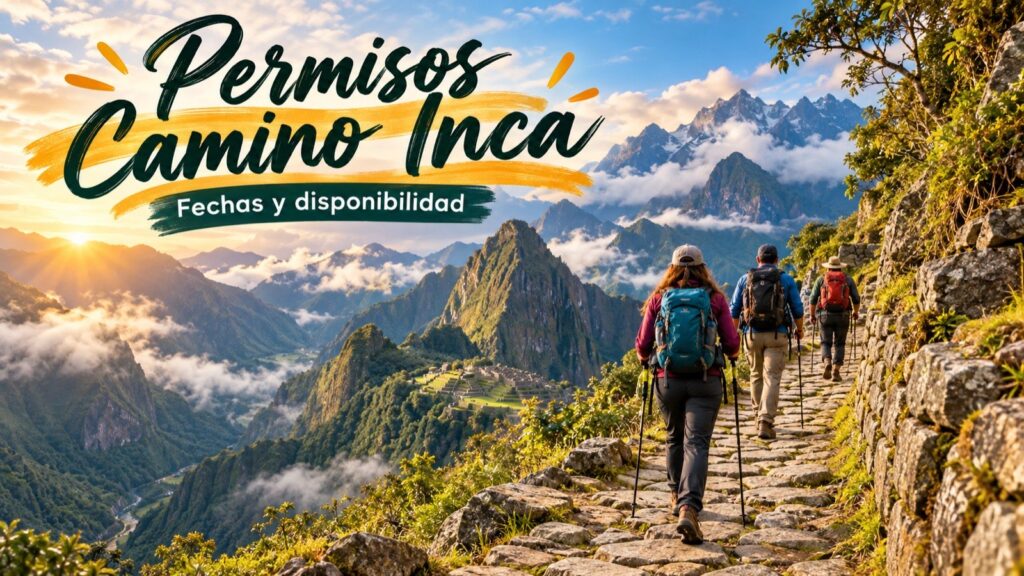
Quick answer: the Inca Trail is capped at about 500 permits per day, of which only around 200 go to trekkers — the rest cover guides, porters and cooks. Permits are issued by name, are non-transferable, and for May through September they sell out 4 to 6 months in advance.
How the permit system works
The Inca Trail to Machu Picchu is not an open-access footpath: it is a protected area managed by the Peruvian government, and every person who sets foot on it needs a permit issued in their name. The total daily quota is around 500 people, but that figure includes the entire support crew. In practice, roughly 200 trekkers start the trail each day — and those are the spots you are competing for when you book.
One more key detail: you cannot buy the permit yourself. Only licensed operators can process it, because regulations require hiking the route with a licensed guide and a registered support team. Choosing your operator is, in effect, the first step of the booking.
How far ahead do permits sell out?
Availability depends almost entirely on the month you want to hike. This table sums up the realistic lead time you should plan for:
| Season | Demand | Book ahead |
|---|---|---|
| May to September (dry season) | Very high — sells out first | 4 to 6 months |
| March, April, October | High | 2 to 4 months |
| November to January | Moderate | 1 to 2 months |
| February | Closed for maintenance | Not available |
Watch out for especially tight dates: the days around Inti Raymi (late June), Peru’s national holidays in late July, and long international holiday weekends. For those weeks, the earlier you book, the better.
Permits are nominal: passport in hand
- Issued against your passport: when booking you provide your passport number, full name and nationality exactly as they appear in the document.
- Non-transferable: if you cannot travel, your permit cannot be passed on to someone else or resold.
- No free date changes: modifications depend on current regulations and on space existing for the new date — in practice, treat your date as final.
- Renewed your passport? Tell your agency and bring both documents (or whatever backup the authority requires) on entry day, when officials check that the permit matches.
February: the month the Trail closes
Every February the Inca Trail closes for maintenance: it is the heart of the rainy season, and the authorities use it to restore the stone paving, campsites and signage. Machu Picchu itself stays open that month — you can still arrive by train — and alternatives like the Salkantay trek keep running. If your trip falls in February, take a look at our Salkantay trek to Machu Picchu as a comparable high-mountain plan.
When does each year’s availability open?
The following year’s permit calendar is usually released around October, although the exact date varies from year to year and is announced by the authority. This is the key moment if you are aiming for the dry season: operators load their clients’ accumulated bookings the moment the system opens, and May-to-September departures fill up within weeks. The right move is simple — lock in your date with your agency before the release and have your details ready so the purchase goes through on day one. Always verify announcements through the Ministry of Culture’s official channels.
Classic or Short Inca Trail?
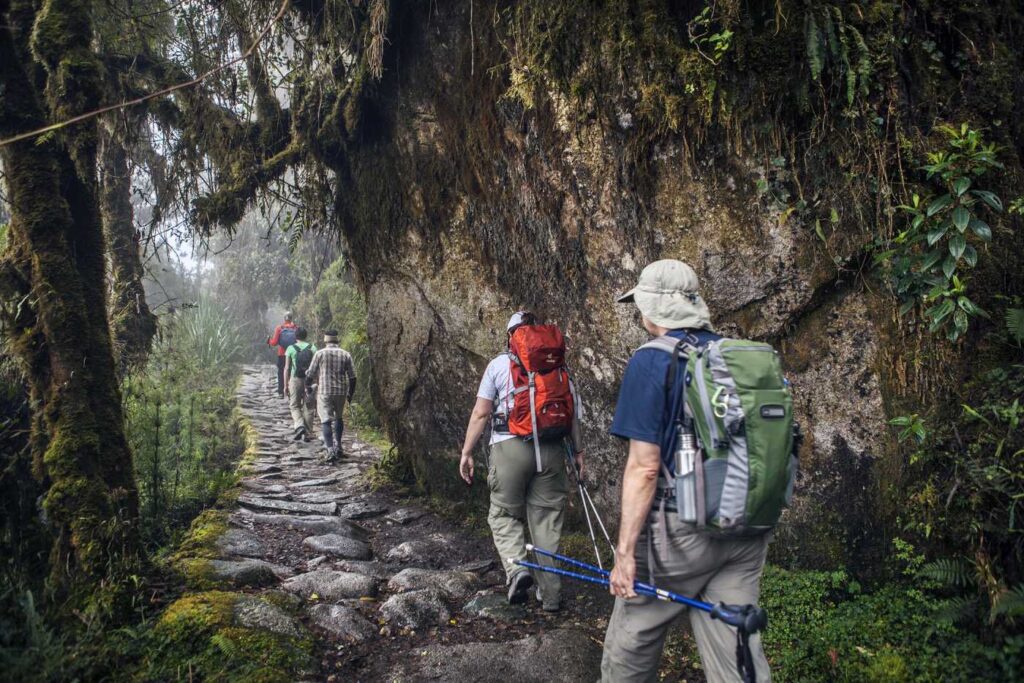
- Classic Inca Trail (4 days): the full experience — about 43 km, high passes, archaeological sites you can only reach on foot, and a sunrise arrival at Machu Picchu through the Sun Gate. It demands decent fitness and is the version that sells out fastest.
- Short Inca Trail (2 days): joins the original route at km 104 and finishes through the same Sun Gate, with a hotel night in Aguas Calientes. Ideal if you are short on time or prefer not to camp; its quota is limited too, but it can usually be secured with somewhat less lead time.
Ready to lock in your permit? Message us on WhatsApp with your tentative date and we will confirm real availability for that day, process the permit with your passport details and arrange the full logistics: return train, entrance tickets and guide. With quotas this tight, the difference between hiking the Inca Trail and watching it from the train window is booking on time.
 Project Zion™ Theme.
