


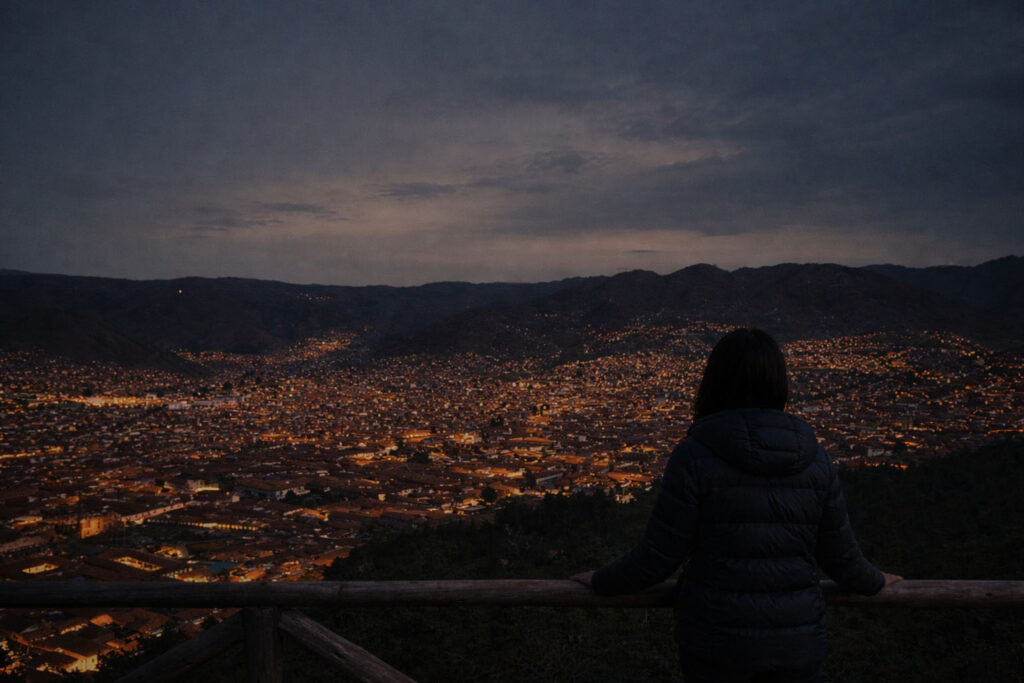
Quick answer: you need a minimum of 4 days in Cusco to acclimatize and visit Machu Picchu without risking altitude sickness. The sweet spot is 5 to 7 days: enough time for the city, the Sacred Valley, an unhurried Machu Picchu visit, and, if you want, a short trek or Rainbow Mountain without pushing your body or your schedule too hard.
Why 2 or 3 days usually isn’t enough
Cusco sits at roughly 3,400 meters above sea level, and your body needs time to adjust to that altitude. Flying in from Lima (at sea level) and heading straight uphill the same day is the most common recipe for a headache, nausea, or simply not being able to enjoy the trip. With 2 or 3 days you can just about cover the essentials — the city and a rushed Machu Picchu tour — but with no buffer if something goes wrong: a delayed train, a change in weather, or your body simply needing a little more time to adjust.
Cusco in 3 days: the essentials, no room for error
If your overall Peru itinerary only leaves you 3 days, it is possible, but tight:
- Day 1: arrival and gentle acclimatization — a city tour of the Plaza de Armas, Qoricancha, and nearby archaeological sites, at an easy pace with plenty of water.
- Day 2: full-day Machu Picchu, leaving very early from Cusco or Ollantaytambo.
- Day 3: a free morning for shopping in San Pedro or San Blas before your departure flight.
With this pace you skip the Sacred Valley and any trekking, and you have little cushion if something goes wrong on your Machu Picchu day. It works, but only if you have no alternative.

Cusco in 5 days: the ideal balance for most travelers
Five days is the sweet spot between not missing anything important and not wearing yourself out. A typical outline:
- Day 1: arrival, gentle acclimatization in the city — Plaza de Armas, San Pedro market, a nearby viewpoint without gaining altitude too fast.
- Day 2: a full Cusco city tour with archaeological sites (Sacsayhuamán, Qenqo, Puka Pukara, Tambomachay).
- Day 3: Sacred Valley — Pisac, Ollantaytambo, and their markets and terraces, lower in altitude than Cusco and ideal for continued acclimatization.
- Day 4: full-day Machu Picchu from Ollantaytambo.
- Day 5: rest or a short activity before your flight out.
This order is not random: you start with the lowest altitude and physical effort, and save Machu Picchu — which involves a long day of transfers and walking — for when you have already spent several days acclimatizing.
Cusco in 7 days: to explore it all without rushing
With a full week you can add what a 5-day trip leaves out: a short trek, Rainbow Mountain or Humantay Lake, and more free time to walk the city without hurrying.
- Days 1-2: acclimatization and Cusco city (city tour, museums, viewpoints, food).
- Day 3: full Sacred Valley.
- Day 4: full-day Machu Picchu.
- Day 5: active rest or shopping — your body will thank you for an easier day after Machu Picchu.
- Day 6: Rainbow Mountain or Humantay Lake (both above 4,000-4,600 m — better left for when you are already well acclimatized).
- Day 7: free morning and departure flight.
How much fits into each length of stay? Summary table
| Days in Cusco | What you can fit in | Recommended if… |
|---|---|---|
| 3 days | City + Machu Picchu, no room for error | Your Peru itinerary is very tight |
| 5 days | City + Sacred Valley + unhurried Machu Picchu | It’s your first visit and you want the essentials done right |
| 7 days | All of the above + a short trek or Rainbow Mountain | You want to explore without rushing and gain altitude gradually |
| 9-10 days | All of the above + the classic Inca Trail or Salkantay | You’re looking for a multi-day trek to Machu Picchu |
The 48-hour rule: acclimatize before you push yourself
The advice guides and agencies in Cusco repeat most often is simple: spend the first 48 hours on low-effort, moderate-altitude activities before asking your body for a long hike or a climb above 4,000 meters. That means no trekking, Rainbow Mountain, or Huayna Picchu on day one or two. Instead: walk slowly around the city, keep drinking water constantly, skip alcohol the first few nights, and — if your itinerary allows — spending the first night in the Sacred Valley (2,800 m) instead of straight in Cusco (3,400 m) is a strategy many experienced travelers use.
Common mistakes that ruin the experience
- Going to Machu Picchu on day 1. This is the most frequent mistake among travelers short on time: combining altitude jet lag with a very long day of transfers (train, bus, walking) almost guarantees you’ll feel unwell. Machu Picchu should always come after at least 1-2 days of acclimatization.
- Climbing Rainbow Mountain on day 2. Vinicunca sits above 5,000 meters at its highest point. Attempting it right after arriving in Cusco, without acclimatization, is one of the most common causes of severe altitude sickness among tourists. Save it for day 5 or 6 of your trip, not sooner.
- Underestimating accumulated fatigue. Stacking Machu Picchu with a trek or a high-altitude excursion the very next day, with no rest day in between, wears out even travelers in good physical shape.
- Leaving no buffer for the unexpected. Delayed trains, weather that changes the day’s plan, or simply needing an extra rest day: traveling with exactly 3 days, with zero cushion, leaves no room to reorganize.
How to order your tours by altitude
A simple way to build your itinerary is to think in terms of increasing altitude and increasing effort, from lowest to highest:
- Cusco city (~3,400 m): easy pace, short walks.
- Sacred Valley (~2,800-2,900 m): lower than Cusco, ideal for continued acclimatization while sightseeing actively.
- Machu Picchu (~2,430 m): actually lower than Cusco, but the day is long and involves plenty of walking inside the citadel.
- Rainbow Mountain or Humantay Lake (~4,300-5,000 m): the highest-altitude, most demanding activities — save these for the end of your week in Cusco, once your body is acclimatized.
Following this order — rather than the “obvious” order of doing the most spectacular thing first — is the difference between enjoying every day and spending half the trip with a headache. If you’d rather not plan it yourself, our full-day tours and multi-day Cusco packages are already designed around this altitude progression, with transport, tickets, and guiding sorted out in advance.
Our final recommendation
If you can only pick one number, go with 5 days: enough for the city, the Sacred Valley, and an unhurried Machu Picchu. If you have flexibility, 7 days lets you add a short trek or Rainbow Mountain with much safer acclimatization. Tell us how many days you have and we’ll help you build the ideal itinerary, tour by tour, over WhatsApp: message us here.
 Project Zion™ Theme.